Public record · civic memory · regional context

Seattle ChronicleHistorical record & civic resource

A curated reading room for Seattle’s public life and changing cityscape.

Places & culture · parks record

Seattle’s parks are a map of public life.

This preserved guide gathers the city’s parks, open spaces, gardens, trails, facilities, and recreation references into one readable route through the civic record.

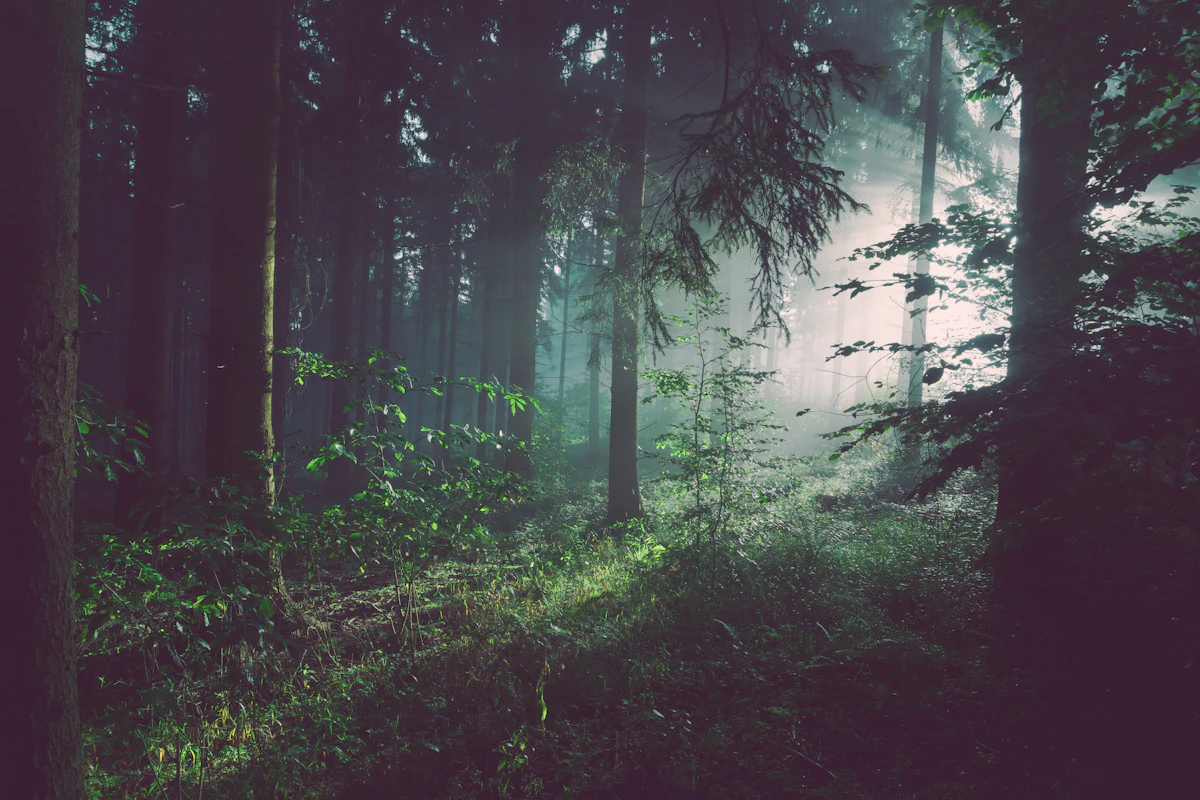
Tall evergreen trees beside a quiet path in a public park
Open space, shoreline, recreation, and neighborhood access form a connected public landscape.

Park spaces

A practical index for exploring the record

Older park pages often divide information by activity or facility. This resource view brings those pathways together while preserving the original subjects and page routes.

Reference guide · updated

Find a park, facility, or landscape

Start with a map or alphabetical list, then follow the specialist pages for gardens, trails, athletic spaces, water access, history, and neighborhood recreation.

Open the park finder map →
The A–Z park list

An alphabetical route for readers who already know a park name or want to browse the wider collection.

Browse the shelves

Choose a park topic

These groupings retain the original page subjects while making the resource easier to scan on a modern screen.

resource notes

What the older record counted

The preserved guide described a broad system of parks and open areas, from neighborhood play spaces to shorelines, gardens, athletic fields, trails, and cultural facilities. The figures below are retained as historical context rather than current operating data.

Green lawn and mature trees in a city park
Public parks connect recreation, landscape, and neighborhood memory.
  1. Facilities

    Boating centers, community centers, pools, gardens, museums, arts facilities, and spaces for public gatherings.

  2. Open areas

    Parkland, boulevards, green spaces, play areas, athletic fields, golf courses, and regional parks.

  3. Water and shoreline

    Beaches, fishing piers, moorages, waterfront routes, and other ways the city meets the water.

  4. Care and interpretation

    Environmental education, horticulture, restoration, history, and the rules that shape shared park property.

How to read this page

A calm route through an older resource

Seattle Chronicle preserves the subject structure of the park guide while separating historical description from present-day instructions.

  1. Begin with location

    Use the map or alphabetical list when you have a park name, area, or destination in mind.

  2. Follow the facility trail

    Move into athletics, aquatics, gardens, trails, boating, or reservations according to your interest.

  3. Check the date

    Older counts, rules, contacts, and program details should be treated as resource evidence.

  4. Confirm current details

    For active services or access information, consult current official sources before making plans.

Reader’s desk

Questions about the park resource

Context for using preserved recreation and public-space material.

Is this a current parks department website?

No. Seattle Chronicle presents historical reference material and preserved pathways. Check dates and consult current official sources for active services.

Can I still use the park list to research a place?

Yes. The list is useful as an resource index, even when individual pages or facilities have changed.

Why are old numbers and counts included?

They show how the park system was described at the time. They should not be assumed to represent current inventories.

Where should I start if I do not know a park’s name?

Begin with the Park Finder Map, then use the subject links for gardens, trails, athletic facilities, beaches, and viewpoints.

Can I ask about a missing or confusing page?

Yes. Send the page path or subject with a concise description to the resource contact below.

resource desk

Find a parks page in the collection

Search by park name, facility, landscape, activity, or historic subject.