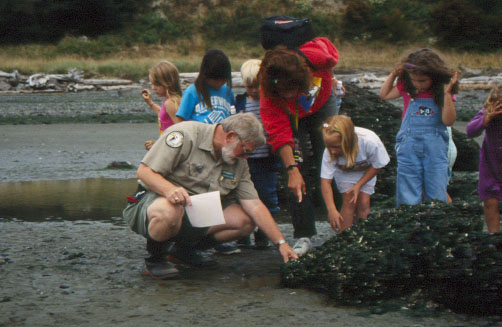
01 · Natural areas
Water, woods, and meadow
Open terrain and varied habitats create a rare sense of distance within an urban park.
Public record · civic memory · regional context
Seattle ChronicleHistorical record & civic resource
Place record · Magnolia Bluff
A historical guide to Seattle’s largest natural-area park, its shorelines, meadows, forest paths, cultural resources, and role as an outdoor classroom.

About the park
Discovery Park occupies much of the former Fort Lawton site on Magnolia Bluff. Its broad landscape brings together open meadows, forest groves, streams, dunes, sea cliffs, and protected shoreline.
The park has long served as a place for quiet recreation, wildlife observation, environmental learning, and views across Puget Sound toward the Olympic and Cascade ranges.
Landscape index
The park’s value is found in the relationship between its natural areas, visitor facilities, cultural spaces, and long walking routes.
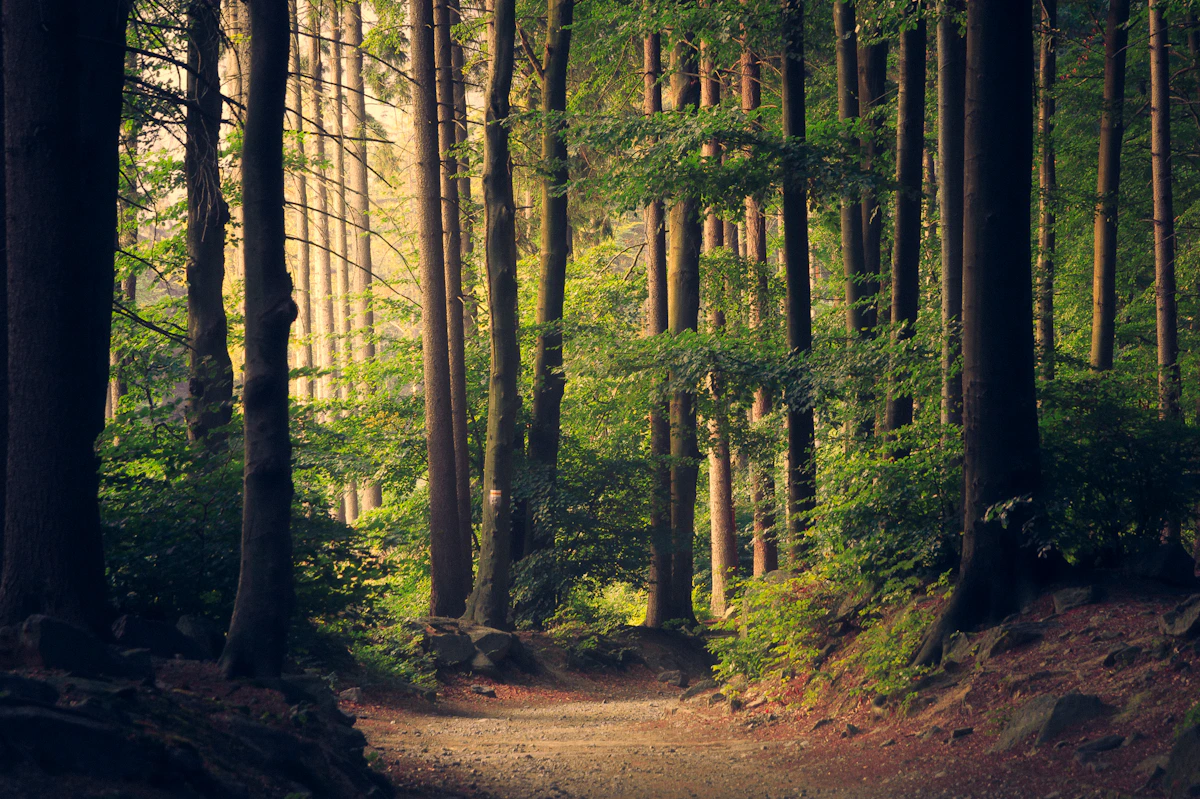
01 · Natural areas
Open terrain and varied habitats create a rare sense of distance within an urban park.
02 · Community use
Discovery Park supports outdoor education, family recreation, cultural programming, and community events.
03 · Visitor reference
Use the preserved park pages to locate event, map, rental, access, and seasonal information.
Reading timeline
Maps provide the clearest entry point into the park’s scale, routes, access points, and public amenities.
Program pages show how the park has been presented as a setting for learning, recreation, and gathering.
Planning documents add context about maintaining a semi-natural urban landscape.
Nearby facilities connect Discovery Park to the broader network of public open space and recreation.

How to read this page
This entry preserves the subject and link structure of a historical park page while adding context for resource readers. Dates and service details should be treated as historical references rather than current instructions.
Read the overview alongside the map to understand the park’s natural areas and circulation.
Events, hours, and seasonal material belong to their original period and may no longer apply.
Management and stewardship pages explain how a semi-natural park is maintained over time.
Before traveling, confirm access, closures, facilities, and public guidance through current official resources.
Reader’s desk
Context for exploring this preserved place record.
It is known for a large, varied natural landscape that includes meadows, forests, shoreline, dunes, streams, and open views across Puget Sound.
The source page is an older public information resource. This resource edition retains its subject while clearly separating historical references from current guidance.
The original trail and facilities map remains linked from this page at the resource reference.
No. Schedules, hours, programs, and facilities can change. Confirm present-day details through current official sources before planning a visit.
Related subjects include environmental education, park planning, vegetation management, nearby recreation facilities, events, and public access.
resource desk
Explore related civic, cultural, and place-based references in Seattle Chronicle.